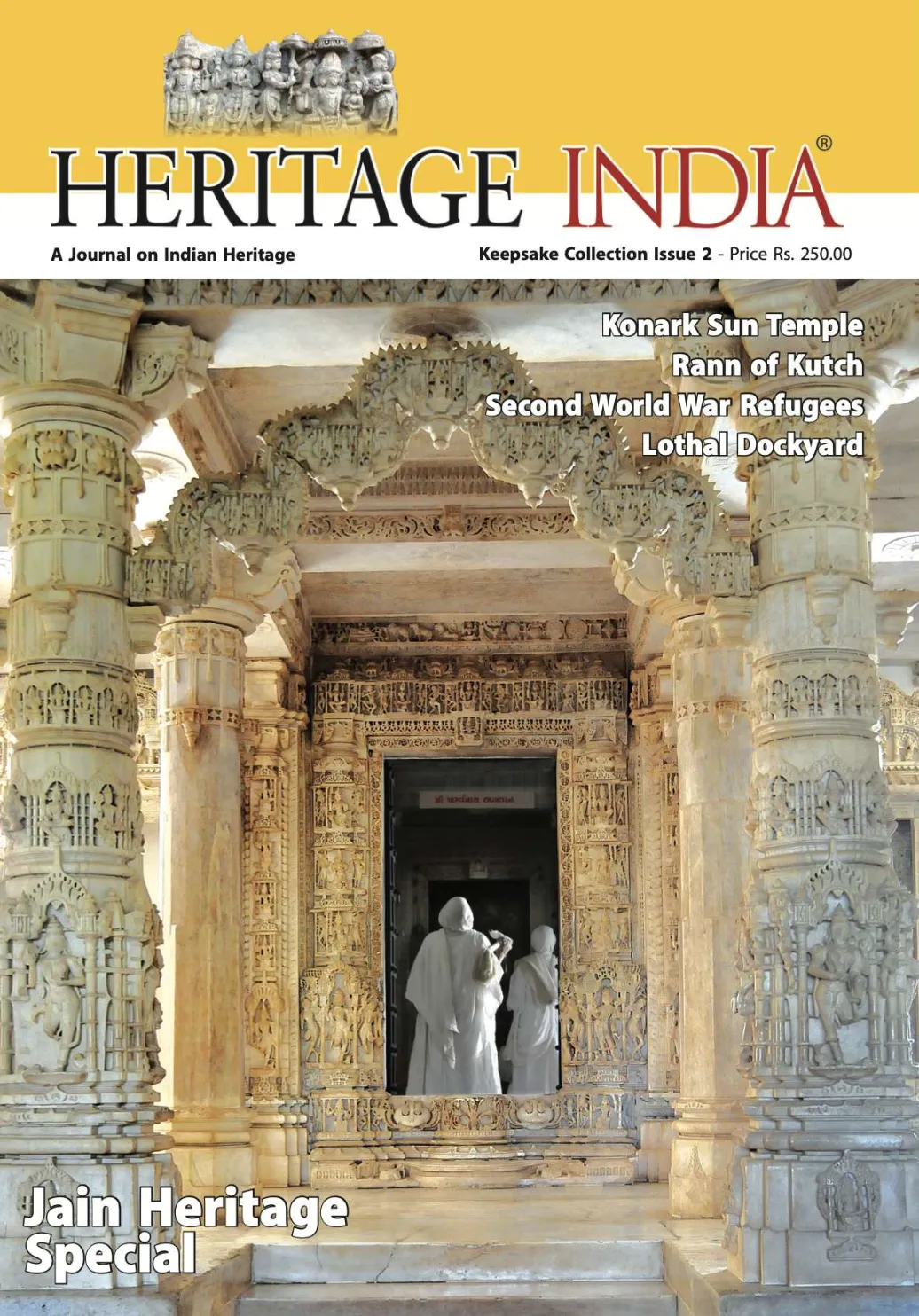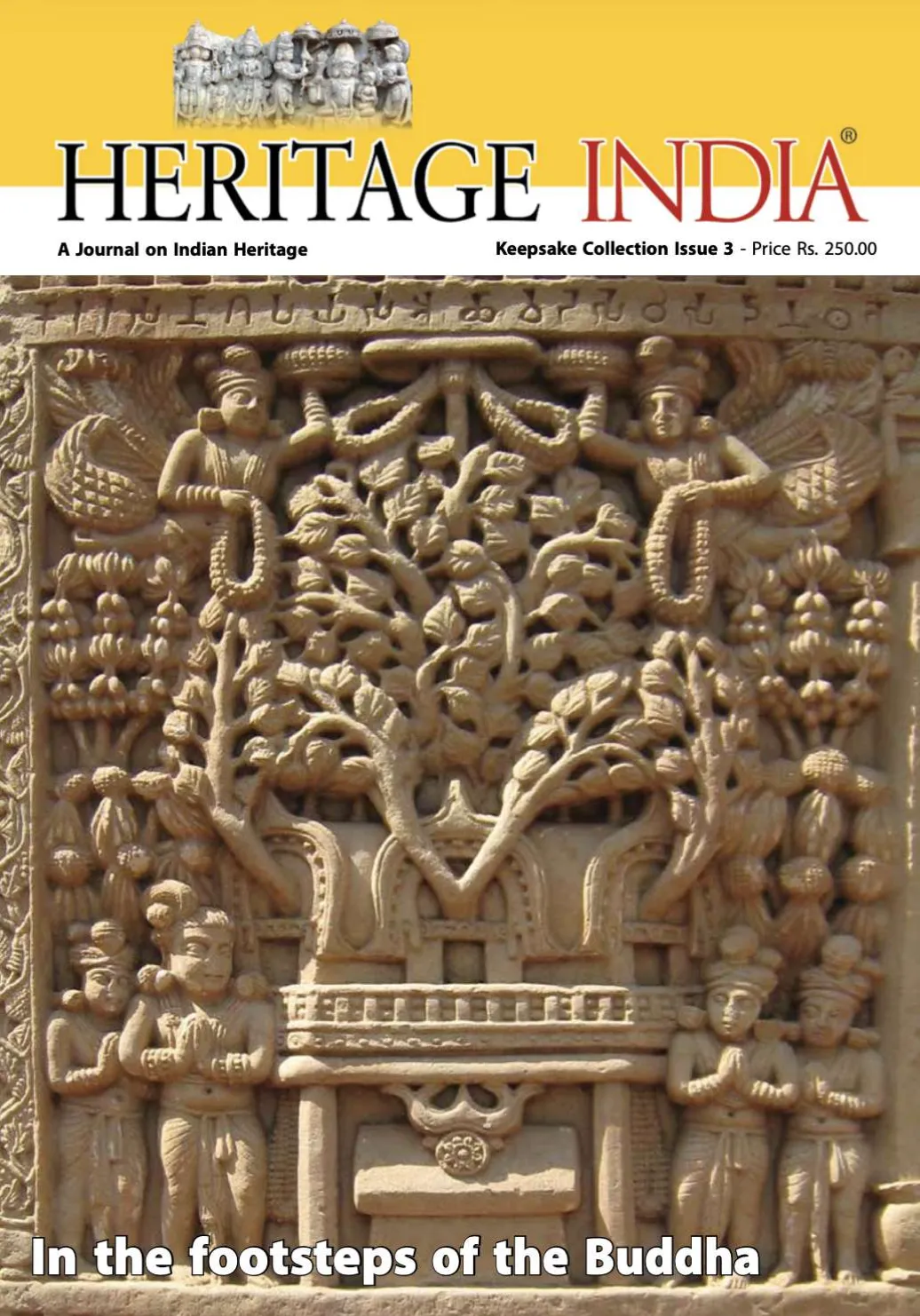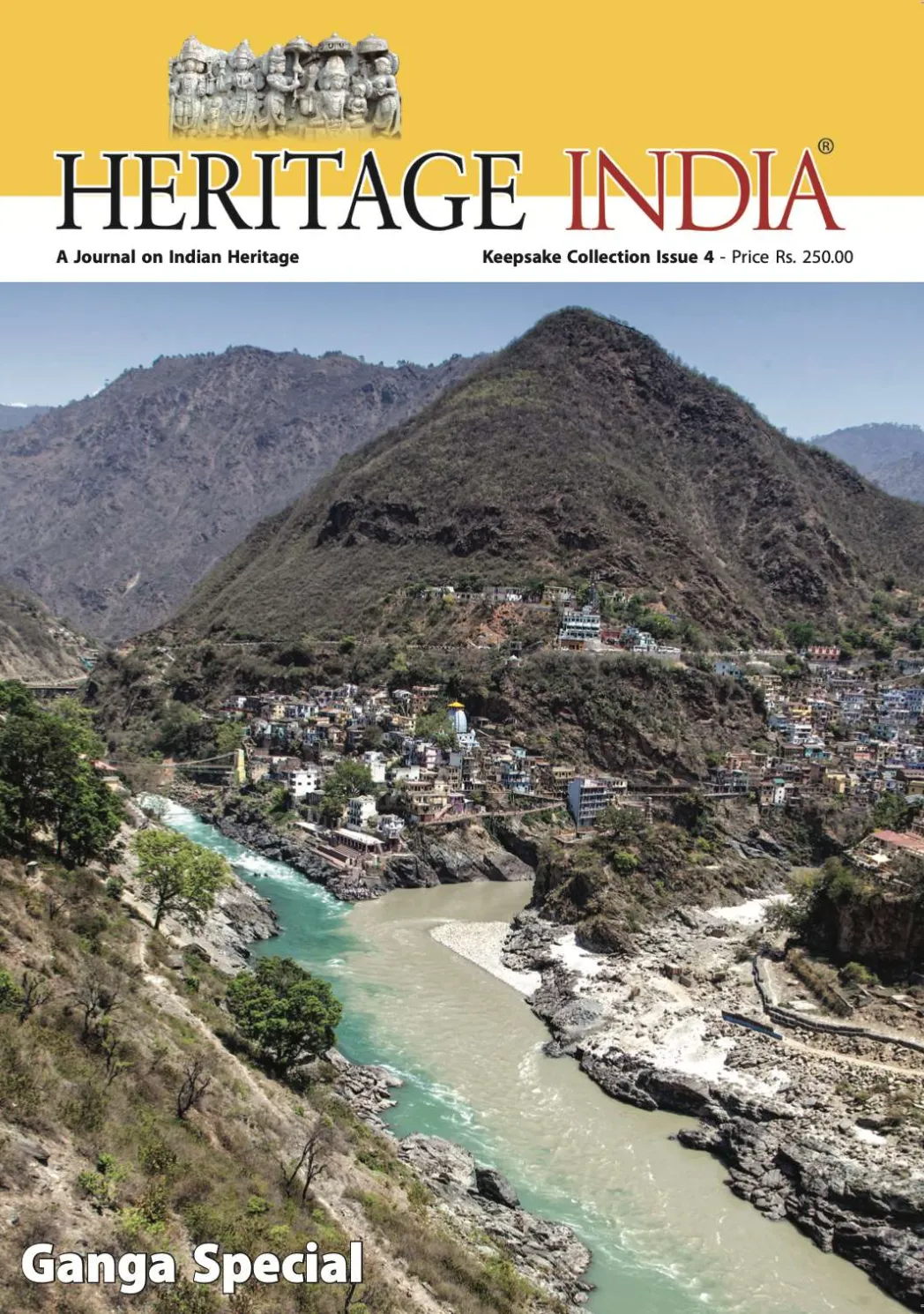
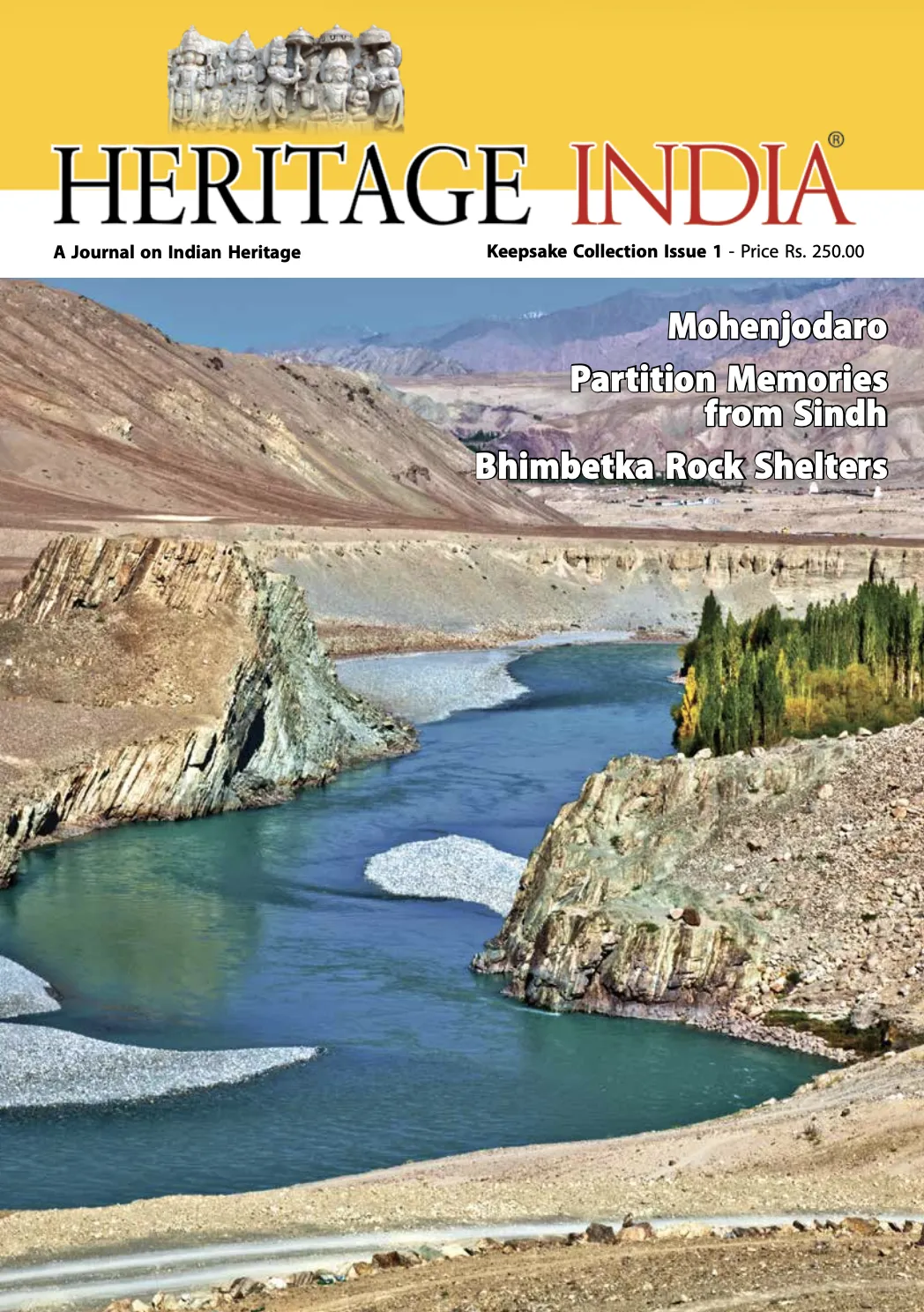
HI Keepsake Collection Issue 1
Preview MagazineFrom this issue:
The Heritage India Keepsake Collection is a set of 4 special issues, each containing an in-depth focus on one aspect of the legacy India has shared with the world. Our inaugural ‘Keepsake’ issue starts at the cradle of our civilisation, the Indus valley. We follow the river Indus, and trace the lost civilisation at Mohenjodaro. We then follow the history of the Sindh region and the Sindhi community until the trauma of Partition and their mass emigration to present-day India. Our special feature includes a glimpse of Sindhi literature, and the painstaking art of Ajrak block printing and Ralli quilting. Along with the special feature, this issue also showcases the 40,000 year old paintings at the Bhimbetka rock shelters, the amazing Amur falcons that fly thousands of kilometres every year and the magnificent Fatehpur Sikri.
Description:
A Lion’s Story: The Indus River
Tibetans believe that the Indus springs forth from the mouth of a snow-lion, white as the snow, with a turquoise mane. Here, in Tibet, the river is known as Sengge Khambab, the lion river. And any man who drinks from its waters will become as fearless as a lion. Nandita Bhavnani traces the course of the mighty Indus river from Mount Kailas to the Arabian sea.
The 5000 Year Old Metropolis: Mohenjodaro
Mohenjodaro is one of the largest cities of the Indus civilisation. It was planned with great care and executed in a short period of time, probably with pre-fabricated materials. Excavations revealed a highly sophisticated civilisation older and in some respects more developed than Mesopotamia and Egypt. Padmashri archaeologist Dr. M.K. Dhavalikar writes about this ancient marvel.
A Land of Swift Change and Many Race: Sindh after Mohenjodaro
The Sindh region was home to advanced Indus Valley settlements, most famously Mohenjodaro. Saaz Aggarwal writes about what happened to the people of the Indus valley after its decline.
A Prayer for the Beloved: The Poetry of Shah Abdul Latif
This iconic Sindh poet authored Shah Jo Risalo, a major Sufi work with thirty musical surs based on classical ragas. Anju Makhija explores the saint-poet’s legacy.
The Bhaiband Network: Sindhi Multinationals in the Nineteenth Century
Sindhi traders built a global merchant network with shops in almost every country. French scholar Claude Markovits studied this remarkable diaspora network over a century later.
Wherever: A Family Memory of the Partition
Saaz Aggarwal recounts her mother’s memories of the 1947 Partition and the migration and trauma faced by Sindhi Hindus.
Breaking the Silence: Sindhi Poetry and the Partition
Menka Shivdasani explains how poetry helped the Sindhi community find a voice after losing their homeland.
The Driving Force of Faith: Lord Jhulelal
Harish Thakkar describes the legends and history of Jhulelal, the principal deity of the Sindhi community.
Cheti Chand: When Sindhis Celebrate
The Sindhi new year festival keeps traditions alive and connects generations.
Playing a Flag-Bearing Role: The Sindhi Language
Devendra G Kodwani outlines the history and literary evolution of the Sindhi language.
Pathways to Spirituality: The Sindhi Durbars
Aruna Jethwani traces the spiritual heritage and concept of Durbars.
Textile Jewels of Sindh: Ajraks and Rallis
Nandu Asrani explains the traditional textile art preserved by artisans in Kutch.
The Earliest Art in India: Bhimbetka Rock Shelters
Parth Chauhan describes 50,000-year-old prehistoric paintings found in rock shelters.
Dreams in Red Sandstone: Fatehpur Sikri
A UNESCO World Heritage city associated with Emperor Akbar and Sufi saint Salim Chishti.
The North East’s Adored Guests: Amur Falcons
Uma Athale explains the conservation story of migratory falcons in Nagaland.
The Sacred and the Secular: Heritage of Ujjain
Prachi Bari reveals mythology and history of the holy city famous for the Simhastha Kumbh Mela.