Medieval temples of Kashmir
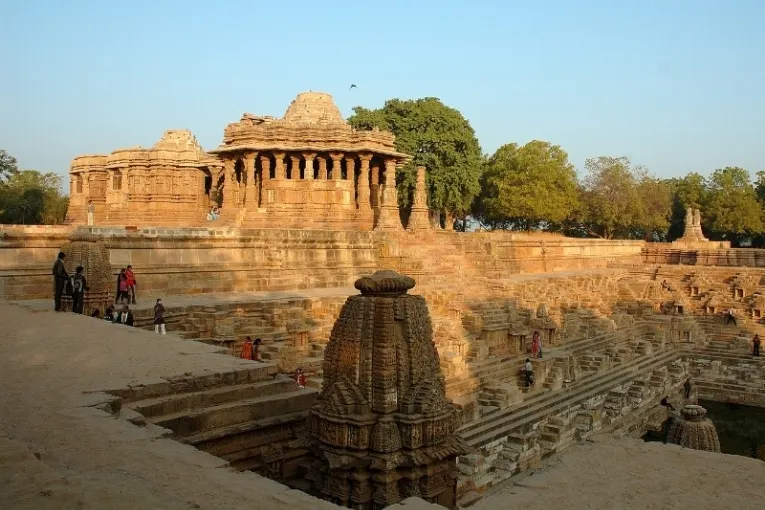
During the medieval period, like in other parts of India, a large number of stone temples were built in the beautiful lush green Kashmir valley. The architecture of these temples differs largely from the general architectural styles of the rest of India and since Kashmir falls on the ancient silk route, developed as a result of fusion of many indigenous temple styles influenced by foreign elements. Though now mostly in a ruined state, the temples of the valley depict unique characteristic features such as cellular arrangement; majestic colonnade; trefoil niches enclosed in triangular pediments; steep straight edged pyramidal roof; magnificent double-chambered gateways; use of massive stone blocks and other interesting features.
Kanjeevaram Sarees
Kanjeevaram or Kanchipuram is an ancient town in Tamil Nadu famous for its Kamakshi temple and vibrant silk sarees. These pure silk sarees are known for their contrasting colours in jewel tones, the elaborate borders of gold thread and the intricate weaving of motifs in the body of the saree. The heavy fabric is ideally suited for special occasions such as weddings. The sarees are woven in traditional colours adding to the old-world charm of these garments which are passed down the generations.
Pushkar
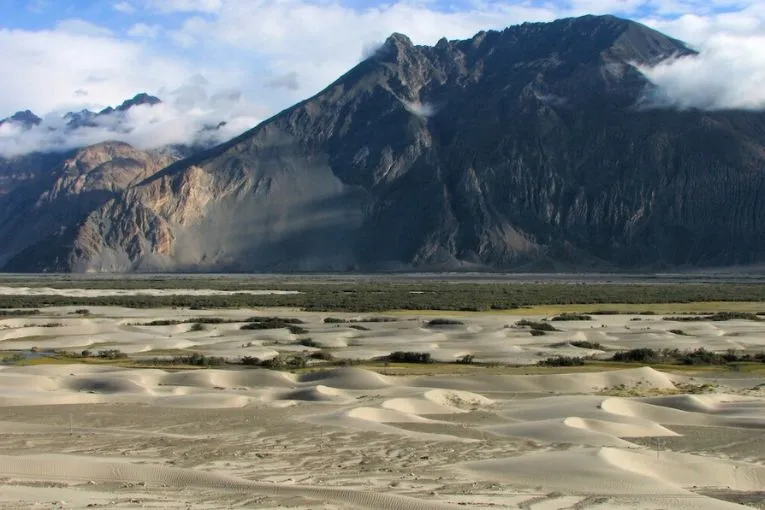
Pushkar's fame comes from the only temple dedicated to Lord Brahma where all year round pilgrims file in large multitudes along its whitewashed precincts. On the Kartik full moon Pushkar's lakefront swells with countless more- drawn by a belief that all of 330 million Hindu deities take a ritual bath in its blue waters. Streets come alive celebrating in spiritual glory and rural masses flock to its backyard to witness a time warped event-the Pushkar festival. Turbaned men, pitched tents and the endless sea of camels treading on the sand dunes resemble biblical landscapes of medieval times. Dubbed as the largest camel fair, the festival is a heady melange of rituals and color.
Essence of India
The burden of the past, the burden of both good and ill, is overpowering, and sometimes suffocating, more especially for those of us who belong to very ancient civilisations like those of India and China.
What is my inheritance? To what am I an heir? To all that humanity has achieved during tens of thousands of years, to all that it has thought and felt and suffered and taken pleasure in, to its cries of triumph and its bitter agony of defeat, to that astonishing adventure of man which began so long ago and yet continues and beckons to us. To all this and more, in common with all men. But there is a special heritage for those of us in India, not an exclusive one, for none is exclusive and all are common to the race of man, one more especially applicable to us, something that is in our flesh and blood and bones, that has gone to make us what we are and what we are likely to be.
Pt. Jawaharlal Nehru
(The Discovery of India)
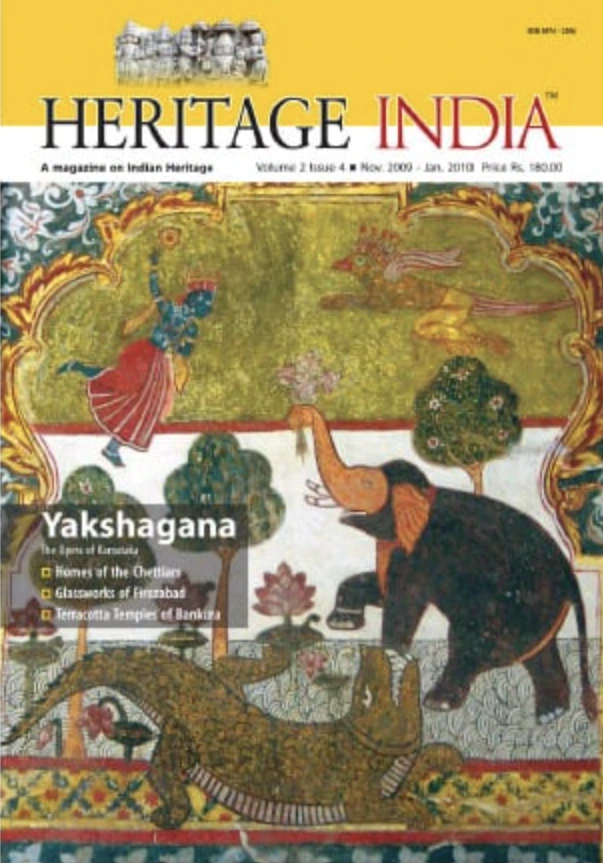
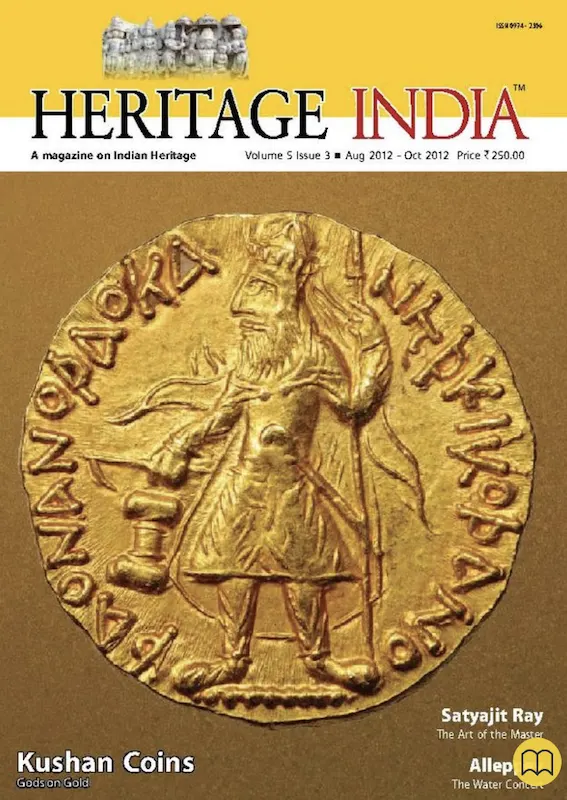
Heritage India magazine at Bajaa Gajaa Festival 2010, Pune
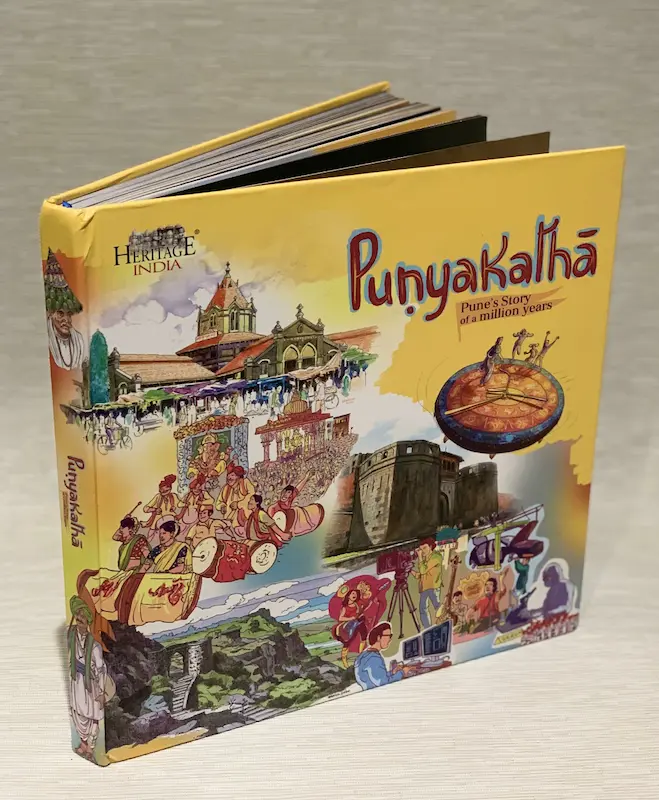
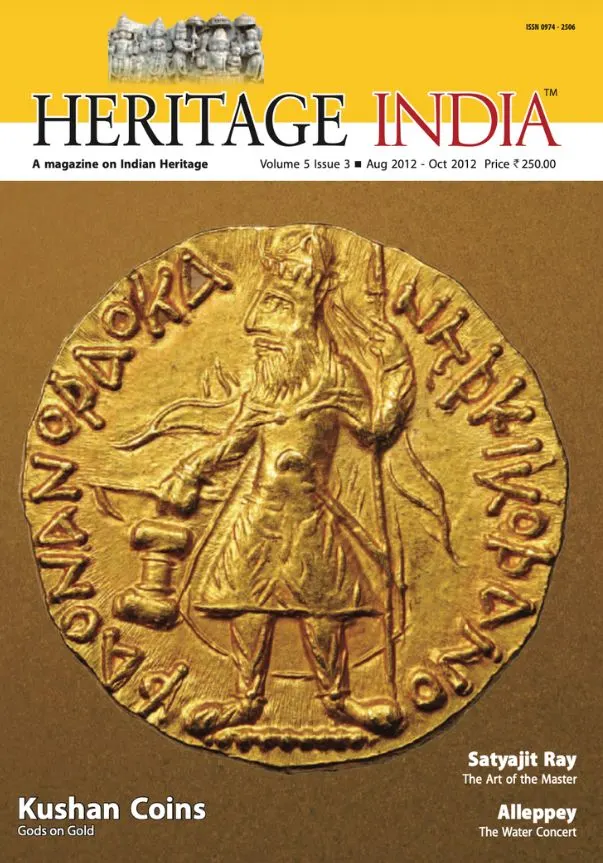
Pune: The Heritage India magazine team are going to set up a stall for the Bajaa Gajaa Festival, 2010 Pune at Ishanya Mall near Yerawada on the 5-7th February from 11.00 am to 8.00 pm. A wonderful opportunity for all to grab a copy of their favourite magazine at discounted prices. You can also avail the previous issues and take a look at our latest publication -Wari-The Pilgrimage of Joy.
Heritage India Interschool Quiz
Heritage India Communications Pvt. Ltd which publishes the quarterly magazine Heritage India from Pune will be celebrating its second anniversary in February. On this occasion, with the aim of carrying forward their mission of creating awareness about India's rich legacy, Heritage India Magazine organized an Interschool Quiz competition on January 20, 2010. The Competition was a first of its kind based on the culture and heritage of India.
Students from 5th, 6th and 7th standards were invited to participate in the quiz. Each school was represented by one team comprising of three students. Dr. Shamrao Kalmadi School, Symbiosis School, Vidya Valley School, Bharatiya Vidya Mandir Paranjape School, St. Joseph's School, P E S Modern School, M E S Bal Shikshan Mandir participated in the quiz.
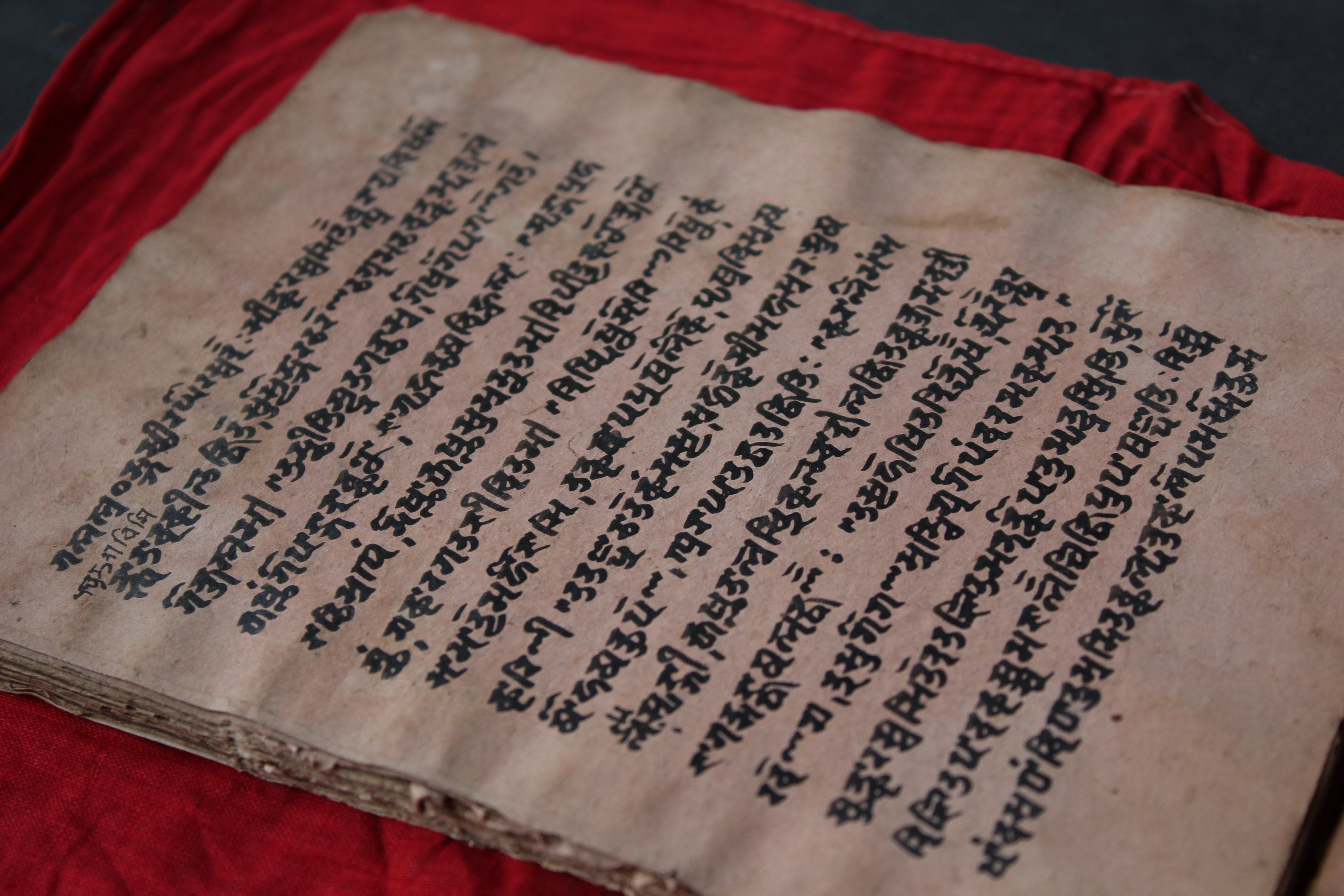
The venue was the Bal Shikshan Mandir Auditorium located in Mayur Colony, Kothrud. An elimination round comprising of 25 audio-visual questions was held. Questions ranged from the ancient Harappan Civilization to modern India making the children aware of the rich culture we inherit. Questions were based not only on history but also on performing arts, dynasties and monuments of India. Keeping the children on their toes were questions like "Which is the most ancient script of India?", Which State is referred to as "Utkal" in the National Anthem.
The final round was held between Dr. Shamrao Kalmadi, Symbiosis School, Vidya Valley School and Bharatiya Vidya Mandir Paranjape School. The students were all eager to battle their school to victory. Some questions received confident answers while at times good guesswork helped. History was a cake-walk for most but performing arts was a forte of the Symbiosis school undoubtedly. The undisputed winners were Symbiosis School who walked away with the Heritage India Interschool Quiz competition trophy. The prizes were given by Mrs. Manjiri Khandekar, the Editor-in-Chief of Heritage India Magazine. The first runner-up Shamrao Kalmadi School and the second runner Vidya Valley School also received a trophy. All winners were given a gift voucher. All the students who participated received four issues of the Heritage India Magazine.
The teachers enjoyed the quiz. "Please have it as an annual event" was a remark made by most in the audience.
Heritage News
Historical Gold coin recovered in Pune
Saturday, November 08, 2008
While digging for the construction of a swimming tank in Pune, three workers halted their work as their instrument hit a metal vessel. They took it aside and found the jar full of gold coins. The site from where the gold was spotted was in the vicinity of the historical Shaniwarwada, the palace of Peshwa rulers of the 18th century.City based Numismatist Mr. Amol Bankar assigned a time frame of 1663 C.E.- 1764 C.E. to the coins based on dates mentioned on them. He also thought that the hoard vwas deposited by a person who had returned from the third battle of Panipat (1761 C.E.)
Qutub Minar campus to house a Heritage Museum
The tallest brick minaret of the world, the Qutub Minar, at Delhi, has been an attraction to thousands of tourists every year. The number is now going to increase as the Qutub Minar complex is soon going to have a Heritage Museum. Experts from Archaeological survey of India are being consulted to finalise the project which is expected to be ready by June 2010.
Discovery of a 1900 years old monastery in Gujarat
Excavations at Vadanagar, Gujarat, have revealed the existence of a Buddhist monastery in c. 2nd century C.E. Vadanagar is situated 112 km form Ahmedabad and 34 km from Mehesana. Chinese traveller Xuanzang is said t have visited Vadanagar (ancient Anandpur) in c. 7th century C.E. He had recorded the presence of ten monasteries consisting of nearly oe thousand monks in and around Anandpur. This documentation has now been testified by the discovery of a Buddhist monastery.